
The Origin of The Mirror
Before the mirror became an object of beauty, it was nature that first returned the human gaze. Still pools of water offered our earliest reflections, allowing people to see themselves from the outside.
The first known manufactured mirrors appeared around 6000 BCE in Anatolia, modern day Turkey. They were created from carefully polished obsidian, a naturally occurring volcanic glass. Later civilisations in Mesopotamia, Egypt, China, Greece and Rome produced mirrors from polished copper, bronze and silver. Ancient Egyptian mirrors were often treasured objects with decorated handles and spiritual associations, including links to Hathor, goddess of beauty and femininity
Glass mirrors gradually developed as glassmaking improved. During the Renaissance, Venetian craftspeople became celebrated for producing exceptionally clear and luxurious mirrors. The decisive modern breakthrough came in 1835, when German chemist Justus von Liebig developed a process for applying a thin metallic silver coating to the back of glass. This made clearer mirrors easier to manufacture and eventually more accessible.
The Principal Types of Mirror
Plane mirror: A flat mirror that produces an upright, life sized reflection. This is the familiar mirror used in homes, dressing rooms and interiors.
Concave mirror: Curves inward and can magnify nearby details. It is commonly used for makeup, skincare, shaving and medical examination.
Convex mirror: Curves outward and creates a smaller image while revealing a wider area. It is used in vehicle mirrors, security systems and difficult corners.
Two way mirror: Partially reflective and partially transparent, depending on lighting. It is used in observation rooms, research settings and theatrical design.
Antique or distressed mirror: Created with an aged, clouded or mottled surface. It is mainly valued for atmosphere and decoration rather than perfect reflection.
Smart mirror: Combines reflective glass with digital technology to display information, lighting controls, health data or virtual beauty tools.
The mirror has therefore evolved from a survival of curiosity into an instrument of beauty, science, safety and self examination. Yet its deepest purpose remains unchanged: it allows us to meet the person who is usually doing the looking.
Ten Famous Artworks Connected to Self Reflection
Self reflection is more than a private exercise. Across cultures, people have created ceremonies, artworks and physical spaces that invite them to pause, examine their lives and reconnect with something deeper. These traditions reveal a shared human need: to step away from the noise long enough to see ourselves clearly.
Self Portrait at Twenty Eight, Albrecht Dürer, 1500
Dürer presents himself with unusual dignity and directness. His frontal pose resembles traditional images of Christ, raising questions about identity, artistic purpose and the creator’s relationship with the divine.
Las Meninas, Diego Velázquez, 1656
Velázquez places himself inside a royal portrait while the king and queen appear only as reflections in a mirror. The painting asks who is observing whom and whether reality changes according to where we stand.
Self Portrait, Rembrandt van Rijn, 1659
Painted after serious financial difficulty, this portrait refuses to disguise age, exhaustion or vulnerability. Rembrandt’s unsettled expression turns the work into an honest confrontation with hardship and time.
Wanderer Above the Sea of Fog, Caspar David Friedrich, circa 1818
A solitary figure stands before an overwhelming landscape. Because his face is hidden, viewers are invited to occupy his position and consider their own relationship with uncertainty, nature and the unknown.
Girl Before a Mirror, Pablo Picasso, 1932
A young woman faces a distorted version of herself in a mirror. The contrasting images suggest the difference between the person we present, the person we imagine and the truths we may privately fear.
Self Portrait with Bandaged Ear, Vincent van Gogh, 1889
Created following a period of severe psychological crisis, the painting records vulnerability without surrendering to it. Van Gogh repeatedly used self portraiture to study his changing emotional and psychological condition.
The Two Fridas, Frida Kahlo, 1939
Two versions of Kahlo sit side by side with their exposed hearts connected. Painted during her divorce from Diego Rivera, the work explores divided identity, emotional pain and the struggle to hold different versions of oneself together.
The False Mirror, René Magritte, 1929
A giant eye contains a bright sky while its pupil remains dark. The work questions whether the eye reveals reality or merely reflects the private world of the person looking.
Triple Self Portrait, Norman Rockwell, 1960
Rockwell depicts himself studying his reflection while painting an idealised version of his face. The humorous composition exposes the distance between our lived identity and the image we deliberately construct for others.
Infinity Mirror Room: Phalli’s Field, Yayoi Kusama, 1965
Mirrors multiply the room’s forms until the individual appears to dissolve into an endless visual field. The installation invites reflection on repetition, identity, perception and the boundaries between the self and the surrounding world.
Across these traditions, artworks and buildings, self reflection is rarely shown as a purely comfortable experience. It involves silence, remembrance, confrontation and sometimes grief. Yet it also creates the possibility of renewal.
Culture gives us the rituals. Art gives us the mirror. Architecture gives us the space. What we are willing to see within them remains our own responsibility.
Luxury
Refined Aspirational Finds
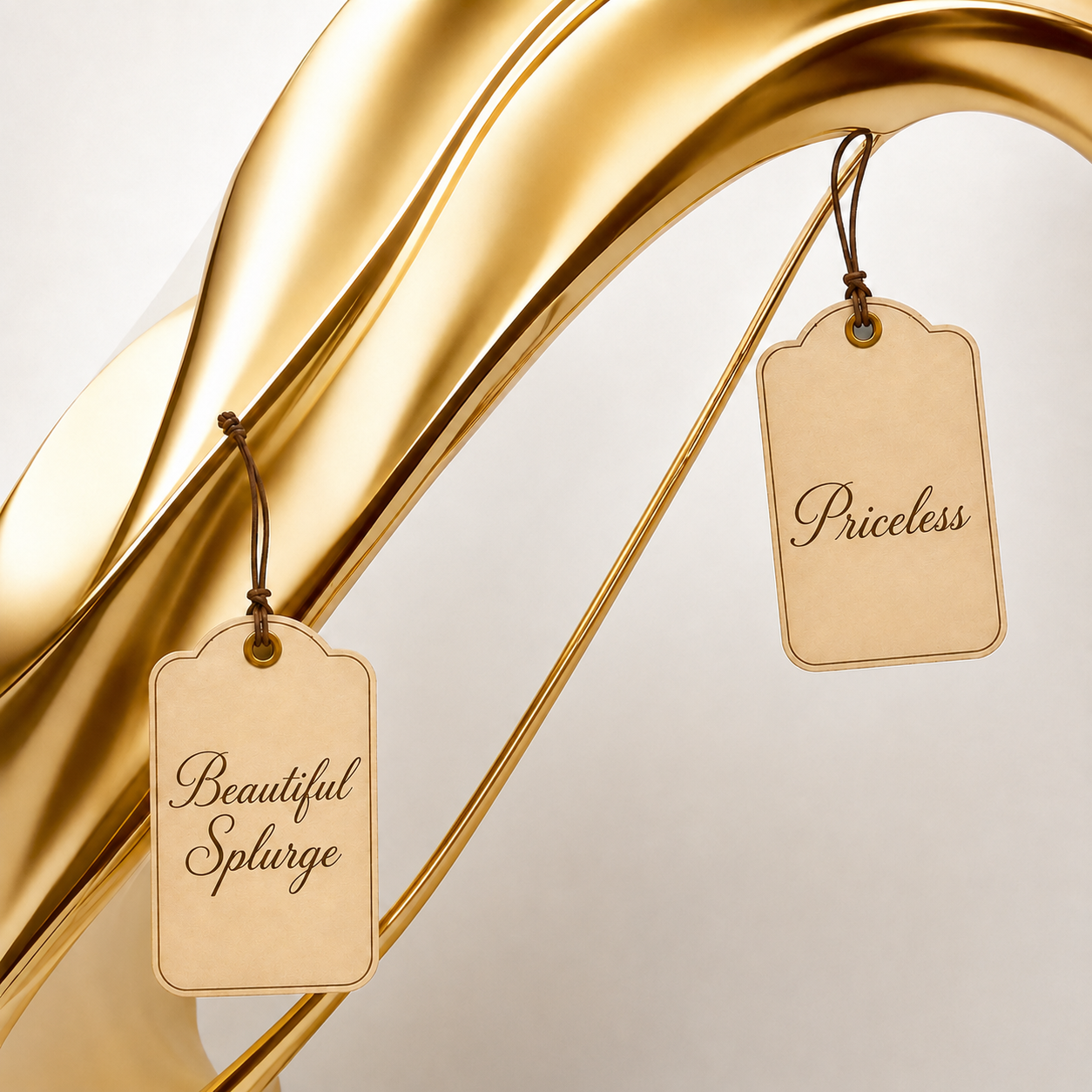
Discover exceptional products, iconic brands, artisan craftsmanship, and luxury pieces that inspire admiration. We explore what makes an item truly special while also highlighting attainable alternatives that deliver elegance without the premium price tag.
Colour
Curated Colour Stories
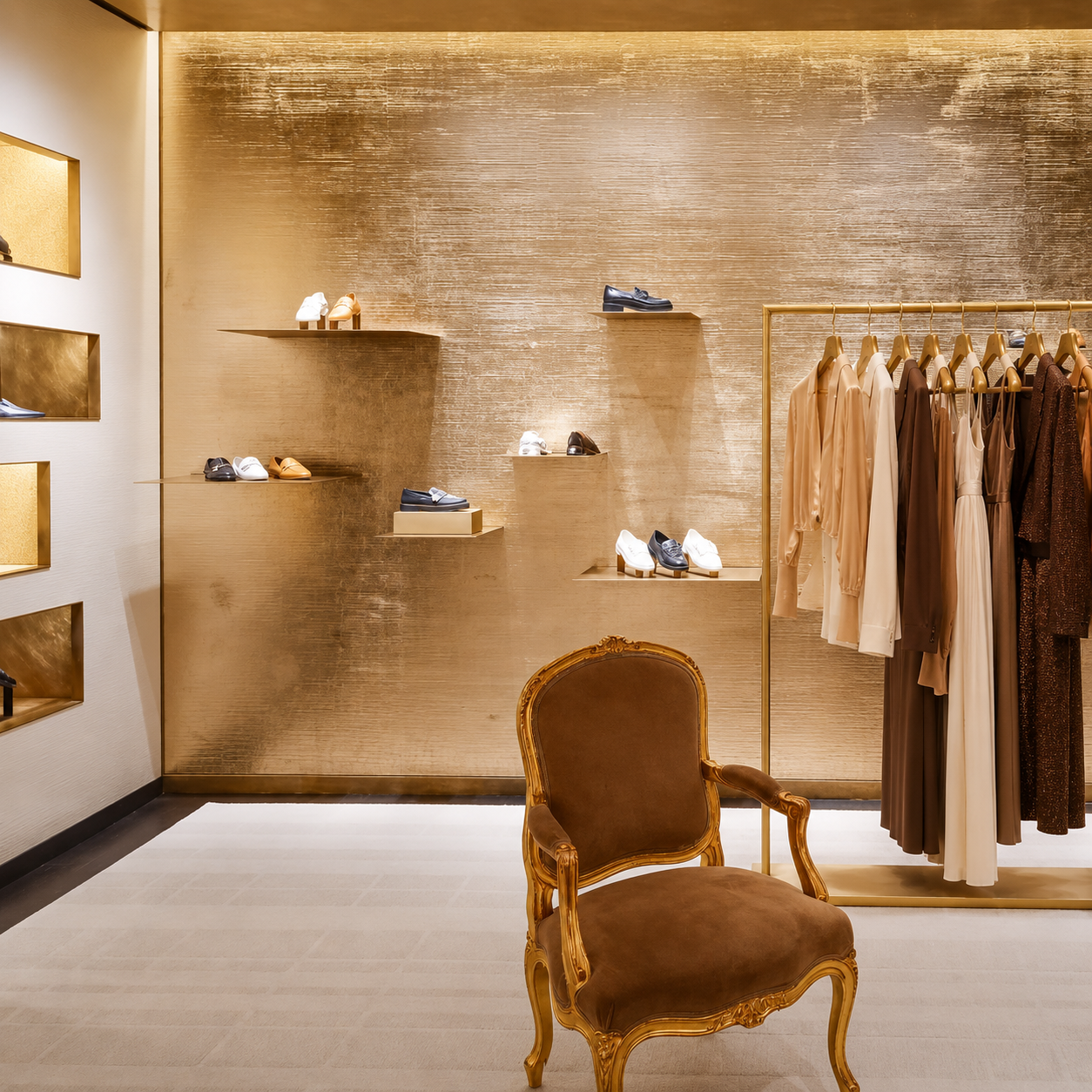
Explore collections organised through colour palettes and aesthetic moods. From soft neutrals and earthy tones to vibrant statement colours, each feature demonstrates how colour influences emotion, style, gifting, and personal expression.

A quiet shadow, a foliage trace,
Where nature meets the human face.
Suspended softly, pure and still,
A moment held by quiet will.
Part porcelain porcelain, part porcelain soul,
A silvered thought to make you whole.
Soft sunlight caught in porcelain skin—
An invitation to look within.
Luxury Gift
Cashmere Reflecting Panthère de Cartier
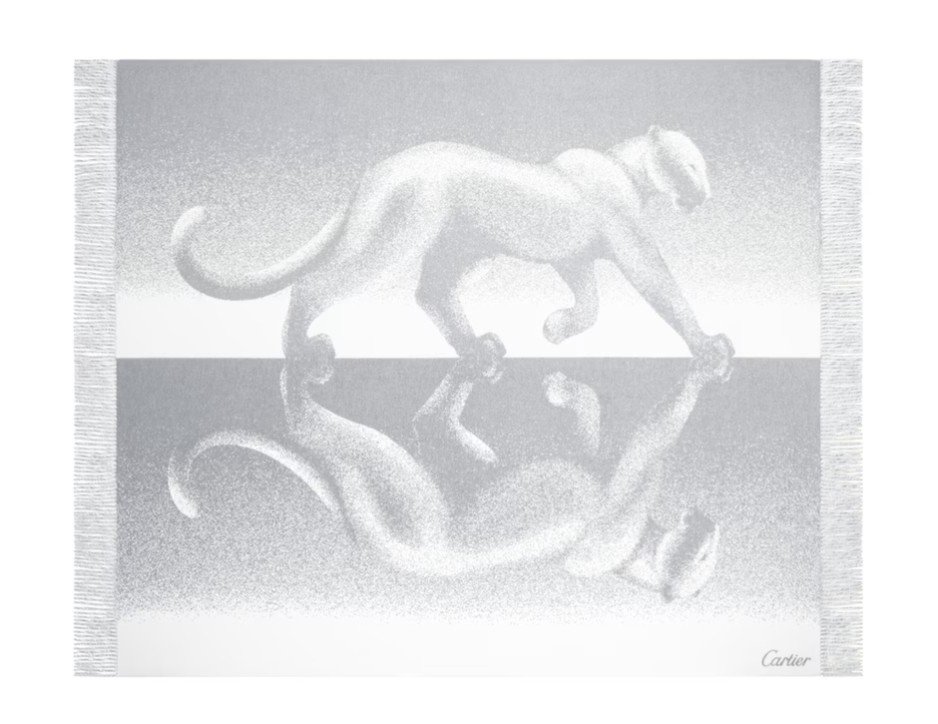
A whisper of warmth, a decadent touch,
Where animal prints and glamour clutch.
Pure cashmere softness, rich and deep,
A striking weave your space will keep.
Draped over a sofa or resting slow,
Reflecting light with a glamorous glow.
Seductive, signature, soft, and bold—
An artful comfort to hold and fold.
Gift Idea
Victoria Beckham Beauty compact mirror

A gilded frame, a sleek black gleam,
To hold your gaze and spark a dream.
A pocket luxury, sharp and neat,
To make each stolen glance complete.
Part quiet grace, part golden thrill—
A timeless beauty standing still.
Unapologetic, rich, and bold,
A secret meant for you to hold.
Gifts That Bring Us Back to Ourselves
Thoughtful objects for an ongoing journey of self reflection
The most meaningful gifts do more than create a moment of happiness. They remain with the recipient, quietly encouraging them to pause, listen inwardly and reconnect with who they are becoming. A self reflective gift should not attempt to define, correct or improve someone. It should simply create the space in which they can encounter themselves more honestly.
A beautifully bound journal
A private place for unfiltered thoughts, recurring emotions, dreams and emerging ideas. Personalise the first page with a gentle question such as, “What is asking to be understood within you?”
A collection of reflective essays or poetry
Choose writing that offers companionship rather than instruction. Poetry is particularly powerful because it allows the reader to discover meaning through their own emotional landscape.
A handcrafted mirror
A mirror symbolises more than physical appearance. It can become a daily invitation to witness oneself with greater honesty, tenderness and acceptance.
A set of thoughtfully chosen question cards
Prompts about identity, values, relationships, fears and desires can reveal what ordinary conversation often leaves untouched. This is especially meaningful for couples, families or close friends.
A meditation cushion or soft ritual blanket
Comfortable objects can help establish a quiet place for contemplation, prayer, breathing or simply sitting without distraction.
A symbolic piece of jewellery
Select a symbol, stone or inscription that reflects something genuine about the recipient’s journey. The value lies in its meaning, not its price.
A personal letter
A sincere letter describing the qualities you recognise in someone can become a mirror through which they see themselves more clearly. Focus on their character, growth and inner strength rather than their achievements.
A memory box
A beautiful box for photographs, letters, keepsakes and small reminders of significant life chapters encourages the recipient to examine where they have been and what those experiences have taught them.
A creative experience
A pottery class, writing workshop, painting session or photography walk gives the recipient another language through which to express what cannot always be explained in words.
The gift of uninterrupted time
A quiet retreat, spa day, countryside stay or even an afternoon without responsibilities can offer something increasingly rare: enough stillness to hear one’s own thoughts.
The art of giving such a gift begins with observation. Consider what the person is currently moving through, what brings them peace and how they naturally process life. Someone who writes may value a journal, while someone who thinks through movement may benefit more from a solitary walk, retreat or creative experience.
The intention should remain gentle. Self reflection cannot be forced, and a gift should never carry the hidden message that the recipient needs fixing. The finest reflective gifts say something much kinder:
I see the person you are, I honour the journey you are on, and I offer you something that may help you hear yourself more clearly.
Heritage
Fashion Through Time
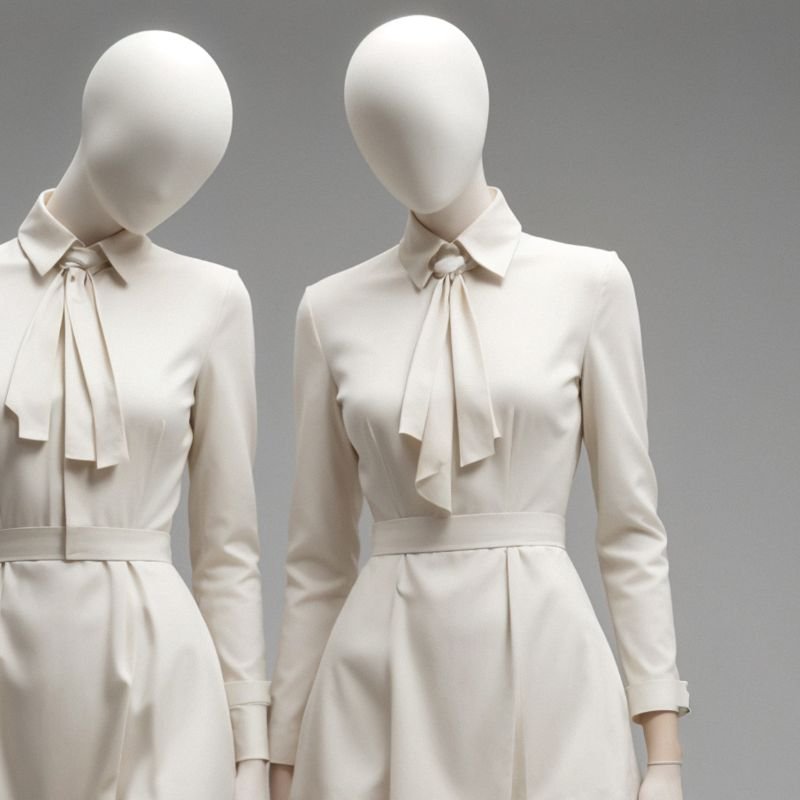
Explore how fashion has evolved across the decades, from royal courts and Victorian elegance to the rebellious styles of the twentieth century and contemporary trends. Examine the social, political, and cultural forces that have shaped the way people dress throughout history.
Couture
Craftsmanship & Luxury
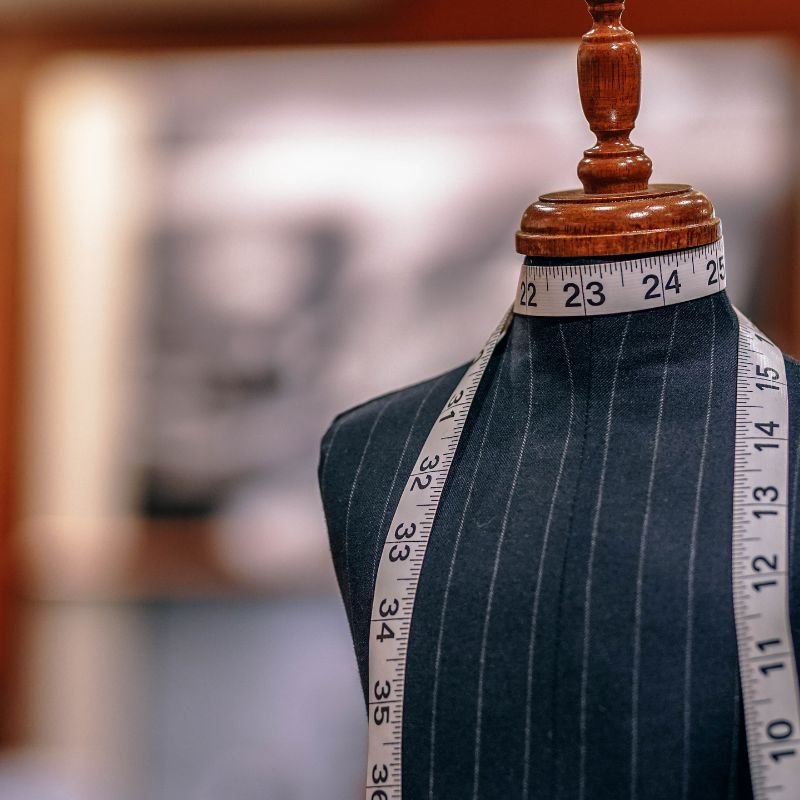
A closer look at the artistry behind haute couture, bespoke tailoring, luxury fashion houses, and handmade garments. Discover the designers, ateliers, techniques, and creative processes that transform clothing into wearable works of art.
The Little Black Dress: From Mourning to Modern Elegance
The little black dress is one of fashion’s most versatile foundations. Its simplicity allows accessories, layers, textures and colour to completely transform its personality.
The Origin of the Little Black Dress
Black dresses existed long before the modern little black dress, but they were largely associated with mourning, domestic service and religious modesty. This changed during the 1920s, as women embraced shorter hemlines, simpler silhouettes and greater social freedom.
In 1926, French designer Gabrielle “Coco” Chanel published a simple, calf length black dress in American Vogue. The magazine compared its potential to the Ford motorcar: practical, modern and accessible to many women. Chanel did not invent the black dress, but she transformed it from a symbol of grief into one of independence, elegance and modernity.
The little black dress gained further cultural power when Audrey Hepburn wore Hubert de Givenchy’s elegant black dress in Breakfast at Tiffany’s in 1961. Since then, the LBD has remained a wardrobe essential because it is timeless, adaptable and capable of reflecting the personality of every woman who wears it.
Add a structured blazer for polished confidence.
Cinch it with a statement belt to define the waist.
Layer it over a crisp white shirt for modern sophistication.
Wear it beneath a soft cashmere cardigan for quiet luxury.
Add bold gold jewellery for warmth and glamour.
Style it with pearls for timeless elegance.
Introduce a silk scarf at the neck, waist or handbag.
Pair it with colourful heels for an unexpected focal point.
Add knee high boots and a long coat for autumn refinement.
Wear it with trainers and a denim jacket for relaxed weekends.
Layer it under a leather jacket for a sharper edge.
Add a dramatic brooch to create a personal signature.
Pair it with patterned tights for playful individuality.
Use a vibrant handbag to introduce colour without overwhelming the look.
Finish it with opera gloves, metallic shoes or a sculptural clutch for evening drama.
The true beauty of the little black dress is that it never competes with the wearer. It acts as a blank canvas, allowing personality, mood and occasion to lead.
10 Ways to Increase Positive Vitality Through Self Reflection
True vitality is the aliveness that emerges when the body, mind and inner life are no longer pulling in different directions.
Begin with an honest daily check in
Ask: How do I truly feel today, physically, mentally and emotionally? Honest awareness prevents hidden strain from consuming energy.
Protect the quality of your sleep
Notice which habits, worries and environments disturb your rest. Sleep is not wasted time; it is where the body repairs and the mind processes experience.
Eat according to your body’s response
Observe how different foods affect your energy, digestion, mood and mental clarity. Choose nourishment based on lived feedback, not passing trends.
Move in ways that restore you
Explore walking, dancing, stretching, swimming, yoga or strength training. The right movement should reconnect you with your body, not punish it.
Identify what repeatedly drains you
Reflect on the people, obligations, environments and thought patterns that leave you depleted. Energy often returns when unnecessary access is removed.
Create periods of intentional silence
Step away from conversation, notifications and constant input. Silence allows your own thoughts, needs and inner direction to become audible again.
Strengthen your personal boundaries
Notice where you say yes while your body is signalling no. Clear boundaries protect vitality by preventing resentment, exhaustion and emotional overload.
Release emotions through healthy expression
Journal, pray, create, speak honestly, cry or seek supportive conversation. Feelings that are acknowledged can move; feelings that are buried often become heaviness.
Reconnect with what genuinely excites you
Pay attention to the subjects, places and activities that make you feel naturally awake. Authentic enthusiasm is valuable evidence of where your life energy wants to flow.
Live by your own definition of enough
Reflect on whether your ambitions come from inner purpose or social comparison. Vitality increases when life is organised around personal truth rather than constant performance.
Closing reflection:
What gives me energy, what quietly takes it away, and what one honest change is my body asking me to make now?
Fashion
Beyond Seasonal Trends
Explore the history, evolution, and cultural influence of fashion while discovering timeless principles of personal style, wardrobe curation, luxury craftsmanship, and self-expression through clothing.
Beauty
Rituals Of Care
A thoughtful exploration of skincare, haircare, grooming, wellness practices, beauty traditions, and the relationship between outer appearance, confidence, and self-respect.
Style as a Mirror
15 Styles That Reflect the Self
Self reflection is not confined to silence, journalling or meditation. It can appear in the clothes we choose, the objects we preserve and the atmosphere we create around ourselves. Style becomes meaningful when it does more than decorate the surface; it reveals something about the person beneath it.
Mirror Mosaic Couture
Garments covered in mirror fragments turn the wearer into both the observer and the observed. Every movement creates a broken, changing reflection, suggesting that identity is composed of many different versions of the self.
A striking example is the custom Maison Margiela wedding gown created by John Galliano for Ivy Getty in 2021. Its outer layer contained real and imitation mirror fragments arranged over layers of tulle. The fractured surface allowed glimpses of the body beneath, making it a powerful expression of beauty, vulnerability and fragmented identity.
Paco Rabanne’s Reflective Disc Dresses
Paco Rabanne’s 1966 collection, Twelve Unwearable Dresses in Contemporary Materials, replaced conventional fabric with linked plastic and metal discs. The dresses reflected light while challenging accepted ideas about what clothing should be. The Metropolitan Museum of Art
These designs represent self reinvention: refusing to be shaped entirely by tradition and giving oneself permission to become something n
Chainmail Fashion
Chainmail dresses, skirts and tops sit somewhere between jewellery, clothing and armour. They communicate strength while still revealing the body underneath.
Within the theme of self reflection, chainmail asks an important question: are we dressing to express ourselves, or are we dressing to protect ourselves?
Mirrored Tailoring
Mirrored jackets, metallic blazers and silver suits bring reflection into structured clothing. The sharp silhouette represents control and public identity, while the reflective surface exposes the wearer to the gaze of everyone around them.
Schiaparelli’s mirrored dinner jacket is a notable meeting point between surrealism, fashion and psychology, turning conventional evening wear into an examination of appearance and desire.
Sequins and Paillettes
Sequins behave like hundreds of tiny mirrors. They respond to movement, light and environment, meaning the garment never looks exactly the same twice.
Symbolically, this reflects the changing self. We are not static beings; different situations illuminate different parts of us.
Crystal Embellished Clothing
Crystals, glass beads and rhinestones magnify light rather than simply reflecting it. They can represent the process of taking an experience, even a difficult one, and transforming it into insight.
Used carefully, crystal embellishment feels ceremonial rather than merely decorative.
Iridescent and Holographic Fashion
Iridescent fabrics change colour according to the position of the viewer. They are an elegant metaphor for perspective: the same person can appear completely different when seen from another angle.
This style suits identities that resist simple labels and continue to evolve.
Metallic Lamé
Gold, silver and bronze lamé turn the body into a moving source of light. Gold can represent the valued self, silver the intuitive self and bronze the grounded, enduring self.
Unlike mirror fragments, lamé offers a softened reflection. It reveals light without producing a perfect image.
Reflective Technical Wear
Reflective piping, jackets and accessories began largely as safety features, making the wearer visible in darkness. Their deeper symbolism is particularly relevant: sometimes we must enter darkness before previously hidden parts of ourselves become visible.
Transparent and Sheer Layering
Sheer fabrics explore the tension between concealment and revelation. Layers allow the wearer to decide what will be shown, softened or protected.
Within self reflection, transparency does not mean revealing everything. It means becoming honest about what we deliberately hide.
Trompe L’Œil Fashion
Trompe l’œil garments use prints, tailoring and visual illusion to make the eye believe it is seeing something that is not actually there. They expose how easily appearances can deceive.
This style asks: how much of identity is authentic, and how much is carefully constructed presentation?
Reversible Clothing
A reversible coat, jacket or dress carries two outward identities within one garment. It represents duality without demanding that one side must defeat the other.
The public and private self, softness and authority, tradition and rebellion can all belong to the same person.
Visible Mending
Visible mending celebrates repairs instead of hiding them. Embroidery, patchwork and contrasting stitches transform damage into part of the garment’s character.
It carries a clear lesson: healing does not require us to pretend that nothing happened.
Heirloom Dressing
Vintage garments, inherited jewellery and repurposed family textiles connect present identity with memory and ancestry. Wearing them can become an act of reflection on what we have inherited, what we wish to preserve and what must end with us.
Quiet Monochrome
Self reflection does not always need glitter or mirrors. Clothing in a single restrained colour removes visual noise and directs attention toward form, texture and presence.
White can suggest clarity, black inner depth, blue contemplation and earthy neutrals a return to what is essential.
Origins
Traditions Through Time
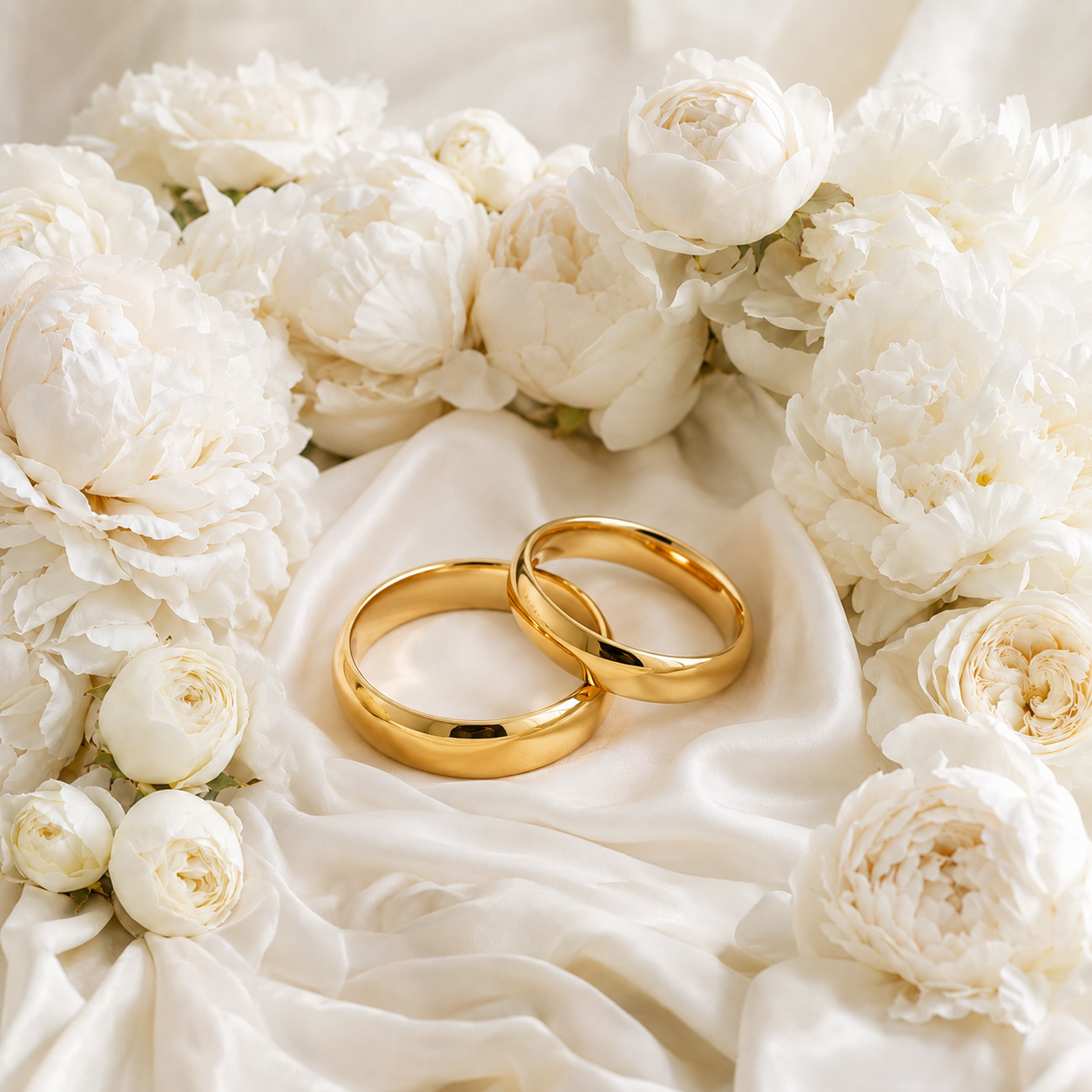
Explore the fascinating history of wedding customs, ceremonies, and rituals from around the world. Discover how traditions evolved and what they continue to represent in modern marriages.
Rituals
Symbols & Superstitions

Uncover the meanings behind beloved wedding beliefs and customs, from “something old, something new, something borrowed, something blue” to lucky dates, wedding rings, veils, and cultural blessings.
The Reflective Union: 3 Traditions That Prepare the Self for Marriage
Marriage traditions are often viewed as ceremonies that unite two people. At their deepest, however, they also ask each person to examine who they are, what they carry and what they are prepared to contribute to the life ahead.
Yoruba Marriage Counsel: Remembering the Community Within the Union
In traditional Yoruba marriage processes, elders do more than approve or celebrate the couple. They offer counsel about patience, character, responsibility, family and the realities of building a home. Marriage is understood not merely as romantic fulfilment, but as the joining of families, histories and communal responsibilities.
The reflective lesson is clear: you do not enter a union alone. You arrive carrying the values, wounds, expectations and behavioural patterns of those who raised you.
A modern couple can adapt this by discussing:
Which family traditions should we preserve?
Which inherited patterns must end with us?
Where might loyalty to our families interfere with loyalty to our marriage?
What boundaries will protect our relationship without disrespecting our relatives?
True reflection means honouring where you come from without allowing the past to unconsciously govern the new home.
The Hindu Saptapadi: Reflecting on the Life You Intend to Build
During the Hindu wedding ritual of Saptapadi, the couple takes seven steps together, traditionally connected to shared intentions such as nourishment, strength, prosperity, family, wellbeing, friendship and lifelong companionship.
Its deeper wisdom is that marriage should be entered through conscious promises rather than emotion alone. Each step asks the couple to consider what their union will actually stand for.
A contemporary couple could create seven personal commitments covering:
Physical and emotional wellbeing
Financial responsibility
Family and parenting
Personal growth
Conflict and forgiveness
Shared purpose
Friendship and intimacy
The essential question becomes, “What kind of life are we capable of creating together, and what must I become to help sustain it?”
The Quaker Clearness Process: Listening Beneath Desire
Within the Quaker tradition, a couple intending to marry may meet with a clearness committee. Rather than instructing the couple or making the decision for them, members ask thoughtful questions and create space for honest reflection. The purpose is to help the couple determine whether the decision arises from genuine clarity.
This tradition recognises that desire can sometimes be confused with readiness. Love may be present while emotional maturity, shared values or practical compatibility remain undeveloped.
A modern version could involve a trusted counsellor, mentor or carefully chosen group asking questions such as:
Why are you choosing marriage rather than simply continuing the relationship?
What truths have you been afraid to discuss?
How does each person respond to disappointment, pressure and conflict?
Are you choosing one another freely, or acting from fear, loneliness, family pressure or social expectation?
Can each person remain fully themselves while participating in the union?
The Quaker lesson is profound: clarity is not produced by receiving advice. It emerges when honest questions make self-deception harder to maintain.
A reflective marriage begins before the vows. It begins when two people are willing to examine the selves they are bringing to the altar.
Together, these teachings remind us that a meaningful union is not the disappearance of two individuals into one identity. It is the conscious meeting of two self-aware people who are prepared to love, grow and take responsibility together.
Home
Thoughtful Living Spaces

Exploring the foundations of a well-designed home through layout, comfort, functionality, and atmosphere. Discover ideas for creating environments that feel welcoming, restorative, and deeply personal.
Simplicity
Less With Intention
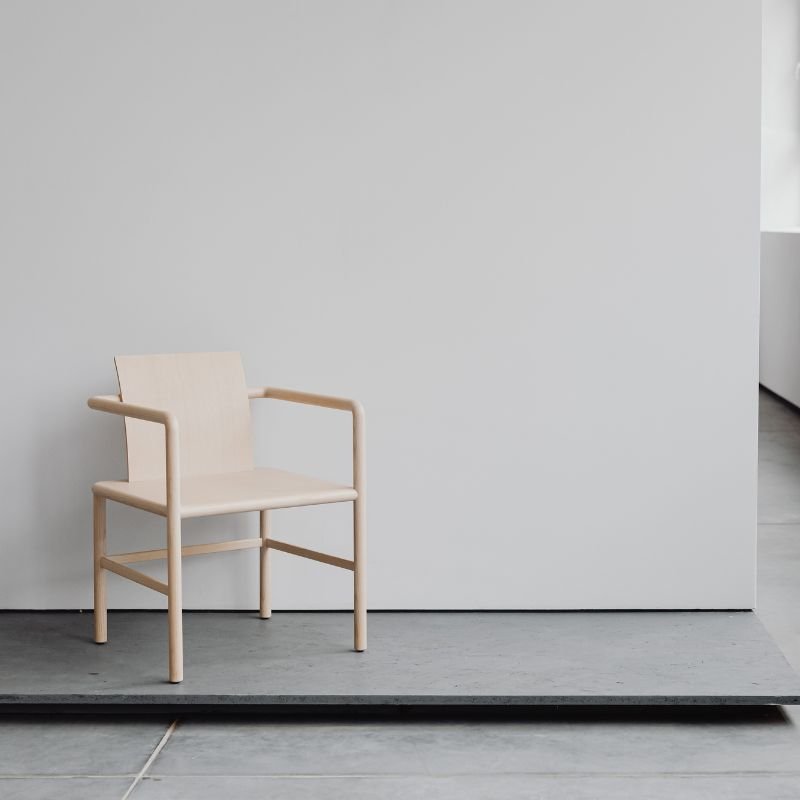
A study of minimalism, decluttering, and conscious consumption. Learn how simplifying possessions, commitments, and environments can create greater clarity, calm, and freedom.
10 Ways Our Dwelling Can Connect Us to Our True Self
A house with soul is a living reflection of who we are, what we value and who we are becoming
Reflect your real taste
Choose colours, textures and objects that genuinely move you, rather than following trends or impressing visitors.
Keep meaningful objects visible
Display photographs, inherited pieces, books, artwork and travel finds that reconnect you with your history, values and becoming.
Create space for solitude
Dedicate a quiet corner to reflection, prayer, meditation, reading or simply sitting without distraction.
Let nature enter
Use plants, flowers, natural materials, sunlight and open windows to restore a sense of rhythm, vitality and belonging.
Design around your real life
Let each room support how you naturally live, rest, create and connect, rather than how a home is expected to look.
Make room for creativity
Keep writing materials, instruments, art supplies or unfinished projects accessible so creative expression becomes part of daily life.
Use sensory anchors
Select fragrances, fabrics, music and lighting that help your body feel calm, present and emotionally safe.
Remove what no longer represents you
Release clutter, inherited expectations and objects linked to identities you have outgrown. Empty space can represen
Create personal rituals
Morning tea by a window, evening candlelight, fresh flowers or a weekly reset can give the home rhythm, meaning and emotional warmth.
Allow the home to evolve with you
A soulful dwelling is never permanently finished. It changes as you heal, discover new interests and become more fully yoursece.
A house with soul reflects who we truly are through meaningful objects, comforting rituals, natural elements and spaces that support how we genuinely live. As we grow and evolve, our dwelling should change with us, becoming a living expression of our identity, values and inner world.
Origins
From Earth To Table

Explore where food truly comes from through foraging traditions, seasonal eating, farming practices, wild ingredients, and humanity’s ancient relationship with the land. Discover how nature has shaped our diets, cultures, and survival throughout history.
Nutrition
Understanding What Nourishes

A thoughtful look at the science of food groups, nutrients, digestion, metabolism, and the role different foods play in supporting energy, growth, cognition, and overall wellbeing. Separate nutritional wisdom from modern confusion.
The Inner Table: Eating as an Act of Self Reflection
Intuitive nourishment is not simply eating whatever we crave. Cravings can come from genuine hunger, but they can also arise from stress, tiredness, habit, restriction or emotional discomfort. The aim is to combine inner awareness with honest observation, allowing the body to reveal its needs and patterns over time.
Begin with stillness
Before choosing food, pause briefly. Take several slow breaths and move your attention away from external advice and towards your body.
Ask yourself, “What am I physically experiencing right now?”
This simple pause creates space between impulse and conscious choice.
Distinguish hunger from appetite
Physical hunger usually develops gradually and may appear as emptiness, low energy, irritability or difficulty concentrating. Appetite can appear suddenly after seeing food, smelling something appealing or experiencing a particular emotion.
Neither experience is wrong. Self knowledge comes from recognising which one is speaking.
Identify the underlying need
Rather than immediately asking, “What should I eat?” ask, “What kind of nourishment do I need?”
The body may be asking for sustained energy, hydration, warmth, freshness, comfort, lightness, fullness, protein or greater variety. Sometimes the need is not food at all, but rest, emotional reassurance or relief from boredom.
Remove the noise of inherited food rules
Many people carry beliefs such as, “I must finish everything on my plate,” “Carbohydrates are bad,” “Healthy food must be joyless,” or “Everyone should eat the same way.”
These rules can become louder than the body. Self reflection helps us separate personal experience from family conditioning, cultural expectations, diet culture and fashionable nutrition advice.
Build meals from a sound foundation
Intuitive eating still requires nutritional structure. The body is generally supported by a varied range of vegetables, fruit, protein, fibre rich carbohydrates, nourishing fats and sufficient fluids.
Intuition becomes more reliable when the body is regularly and adequately fed. Severe restriction can intensify cravings and make natural hunger and fullness signals harder to recognise.
Eat with greater presence
Choose at least one meal each day to eat without television, work or scrolling. Notice the colour, aroma, temperature, texture and taste of the food.
Slow down enough to recognise when hunger begins to soften, when pleasure starts to fade and when comfortable satisfaction has been reached.
Observe how the body responds
The body’s answer may appear immediately or several hours later. Notice changes in energy, concentration, mood, digestion, fullness, bloating, reflux, headaches, skin, sleep and the speed at which hunger returns.
The important question is not whether a food is universally considered good. The real question is whether that particular food, portion, preparation method and eating time supported your body.
Keep a nourishment journal
For several weeks, record what you eat, how hungry you were beforehand, how you felt emotionally, how satisfied you felt afterwards and what physical responses followed.
It may also help to note sleep, stress, movement, hydration and menstrual cycle changes where relevant. These factors can influence appetite and digestion, making it easier to understand the fuller picture.
The journal should be used as a tool for curiosity, not control.
Look for repeated patterns
One uncomfortable experience does not automatically mean a food is unsuitable. Stress, illness, poor sleep, medication, alcohol, portion size and food combinations can all affect the body’s response.
Look for reactions that happen repeatedly under similar circumstances before reaching conclusions.
Experiment gently
Change one meaningful factor at a time. Adjust the portion, preparation method, eating time or accompanying foods and observe what changes.
Avoid removing several food groups at once. Extreme restriction can create nutritional gaps and make it difficult to identify what genuinely caused the problem.
Persistent pain, digestive symptoms, unexplained weight changes or suspected intolerances should be discussed with a doctor or registered dietitian.
Reintroduce and reassess
The body is not static. A food that feels unsuitable during illness, stress, hormonal change or poor sleep may be tolerated differently at another time.
Reassessing prevents temporary reactions from becoming permanent food fears.
Create a personal nourishment language
Over time, you may begin to recognise the foods that sustain your energy, calm your nervous system, support concentration, satisfy without heaviness and suit your natural daily rhythm.
You may also discover which portions feel comfortable, which preparation methods support digestion and which foods repeatedly leave you feeling unsettled.
These discoveries become a personal nourishment map rather than another rigid diet.
Create a personal nourishment language
Over time, you may begin to recognise the foods that sustain your energy, calm your nervous system, support concentration, satisfy without heaviness and suit your natural daily rhythm.
You may also discover which portions feel comfortable, which preparation methods support digestion and which foods repeatedly leave you feeling unsettled.
These discoveries become a personal nourishment map rather than another rigid diet.
The Deeper Act of Self Knowledge
Food can teach us how to listen without immediately obeying, observe without judging and recognise patterns without turning them into permanent identities.
True intuitive nourishment is an ongoing conversation between awareness and the body.
The mind chooses. The senses experience. The body responds. Awareness remembers.
The goal is not perfect eating. It is a more truthful relationship with the body you actually inhabit.
Cinema
Classic Lessons Endure

Exploring the greatest films ever made and the timeless lessons hidden within them. From character development and moral dilemmas to storytelling mastery and cultural impact, we revisit the films that continue to influence generations.
Theatre
Stagecraft & Performance

A celebration of theatre, live performance, and dramatic arts. Discover the power of the stage through productions, acting, directing, set design, and the unique emotional connection that only live storytelling can create.
top 5 big Hollywood movies August September
Looking ahead to August and September 2026, these are the five Hollywood releases generating the most anticipation based on studio backing, star power, and industry buzz.
Flowervale Street
Release: 14 August 2026
Directed by David Robert Mitchell and produced by Warner Bros., this mystery sci-fi film stars Anne Hathaway and Ewan McGregor. It has been one of the most closely watched original films of the year because the studio has kept much of the story secret, building strong curiosity.
Cliffhanger
Release: 28 August 2026
A reboot of the 1993 action classic. This survival thriller aims to revive the franchise for a new generation while appealing to fans of the original.
The Dog Stars
Release: 28 August 2026
Directed by Ridley Scott and based on Peter Heller’s bestselling novel. This post-apocalyptic survival drama has one of the strongest filmmaking pedigrees of the autumn season and is expected to be a major awards contender.
Clayface
Release: 11 September 2026
Part of DC Studios’ new cinematic universe, this horror-inspired take on the iconic Batman villain is among Warner Bros.’ biggest September releases. Many expect it to become the month’s biggest box office performer.
Resident Evil
Release: 18 September 2026
The latest reboot of the long-running horror franchise aims to return to the survival horror roots of the original games, making it one of September’s most anticipated genre films.
If I were ranking them purely by excitement and likely audience impact:
Flowervale Street
Clayface
The Dog Stars
Resident Evil
Cliffhanger
Also worth keeping an eye on is Spider-Man: Brand New Day. Although it opens on 31 July, it will likely dominate much of August’s box office and remain one of the biggest films in cinemas during that period.
10 Ways to Increase Positive Vitality Through Self Reflection
True vitality is the aliveness that emerges when the body, mind and inner life are no longer pulling in different directions.
Begin with an honest daily check in
Ask: How do I truly feel today, physically, mentally and emotionally? Honest awareness prevents hidden strain from consuming energy.
Protect the quality of your sleep
Notice which habits, worries and environments disturb your rest. Sleep is not wasted time; it is where the body repairs and the mind processes experience.
Eat according to your body’s response
Observe how different foods affect your energy, digestion, mood and mental clarity. Choose nourishment based on lived feedback, not passing trends.
Move in ways that restore you
Explore walking, dancing, stretching, swimming, yoga or strength training. The right movement should reconnect you with your body, not punish it.
Identify what repeatedly drains you
Reflect on the people, obligations, environments and thought patterns that leave you depleted. Energy often returns when unnecessary access is removed.
Create periods of intentional silence
Step away from conversation, notifications and constant input. Silence allows your own thoughts, needs and inner direction to become audible again.
Strengthen your personal boundaries
Notice where you say yes while your body is signalling no. Clear boundaries protect vitality by preventing resentment, exhaustion and emotional overload.
Release emotions through healthy expression
Journal, pray, create, speak honestly, cry or seek supportive conversation. Feelings that are acknowledged can move; feelings that are buried often become heaviness.
Reconnect with what genuinely excites you
Pay attention to the subjects, places and activities that make you feel naturally awake. Authentic enthusiasm is valuable evidence of where your life energy wants to flow.
Live by your own definition of enough
Reflect on whether your ambitions come from inner purpose or social comparison. Vitality increases when life is organised around personal truth rather than constant performance.
Closing reflection:
What gives me energy, what quietly takes it away, and what one honest change is my body asking me to make now?
Psychology
The Human Condition

Explore the foundations of human behaviour, emotion, motivation, habits, and decision-making. From classic psychological theories to modern research, this section examines why people think, feel, and act the way they do.
Identity
Knowing Yourself Deeply

An exploration of personality, temperament, strengths, weaknesses, values, and self-concept. Featuring frameworks such as MBTI, the Enneagram, temperament theory, and other models that help individuals better understand themselves and others.
10 Ways to Increase Positive Vitality Through Self Reflection
True vitality is the aliveness that emerges when the body, mind and inner life are no longer pulling in different directions.
Begin with an honest daily check in
Ask: How do I truly feel today, physically, mentally and emotionally? Honest awareness prevents hidden strain from consuming energy.
Protect the quality of your sleep
Notice which habits, worries and environments disturb your rest. Sleep is not wasted time; it is where the body repairs and the mind processes experience.
Eat according to your body’s response
Observe how different foods affect your energy, digestion, mood and mental clarity. Choose nourishment based on lived feedback, not passing trends.
Move in ways that restore you
Explore walking, dancing, stretching, swimming, yoga or strength training. The right movement should reconnect you with your body, not punish it.
Identify what repeatedly drains you
Reflect on the people, obligations, environments and thought patterns that leave you depleted. Energy often returns when unnecessary access is removed.
Create periods of intentional silence
Step away from conversation, notifications and constant input. Silence allows your own thoughts, needs and inner direction to become audible again.
Strengthen your personal boundaries
Notice where you say yes while your body is signalling no. Clear boundaries protect vitality by preventing resentment, exhaustion and emotional overload.
Release emotions through healthy expression
Journal, pray, create, speak honestly, cry or seek supportive conversation. Feelings that are acknowledged can move; feelings that are buried often become heaviness.
Reconnect with what genuinely excites you
Pay attention to the subjects, places and activities that make you feel naturally awake. Authentic enthusiasm is valuable evidence of where your life energy wants to flow.
Live by your own definition of enough
Reflect on whether your ambitions come from inner purpose or social comparison. Vitality increases when life is organised around personal truth rather than constant performance.
Closing reflection:
What gives me energy, what quietly takes it away, and what one honest change is my body asking me to make now?
Parenting
Raising our little human well, from discipline and communication to confidence, boundaries, and modern family life, practical guidance for the realities of raising children.
Relationships
Lets deep dive together into love, friendship and family. Navigating connection, conflict, loyalty, expectations, and changing relationships with greater understanding and emotional maturity.